
Technology
Bernie Sanders and Steve Bannon call for curbs on AI
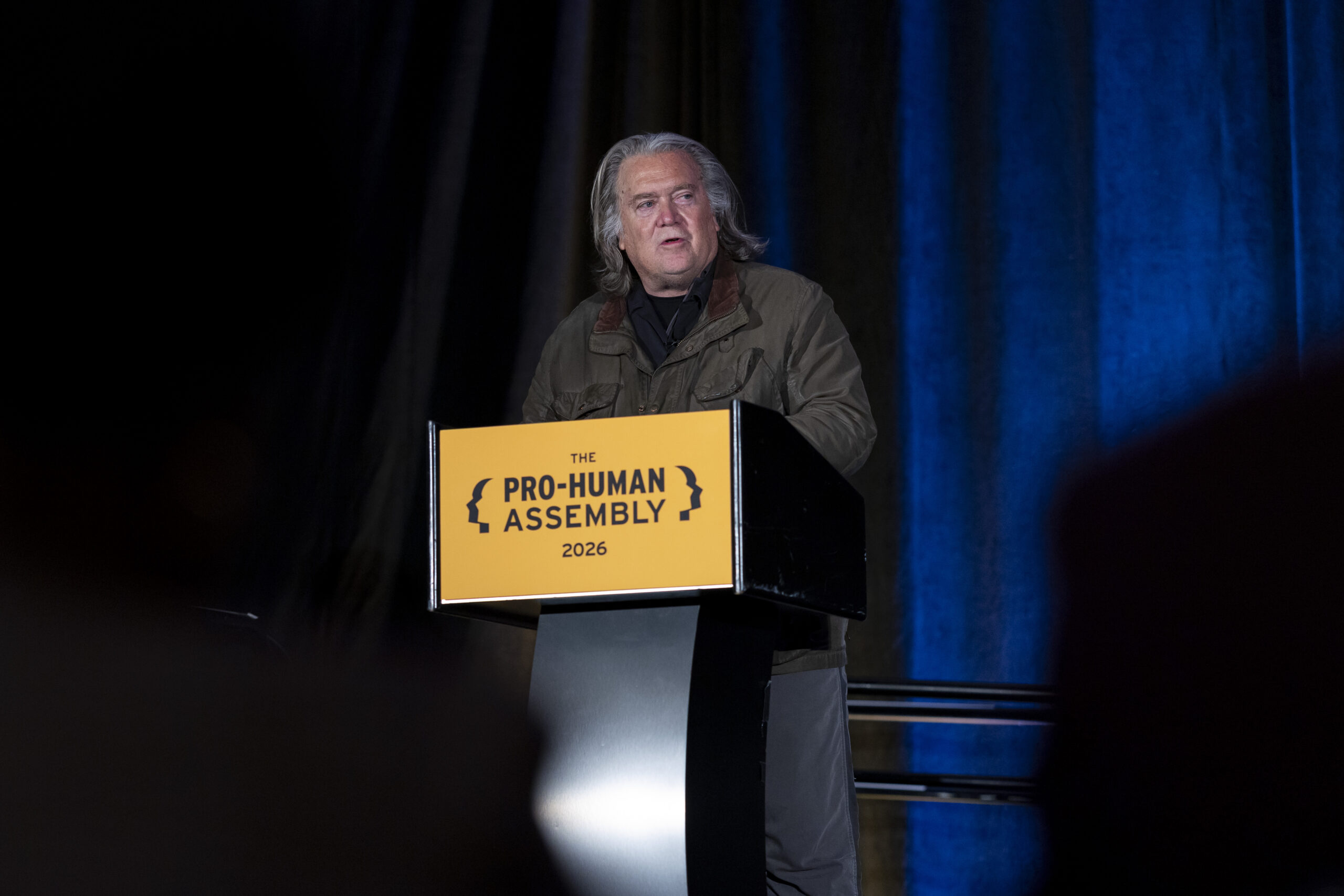
Steve Bannon — the podcaster, entrepreneur, and provocateur who was an early backer of President Trump — has parted with the president on artificial intelligence.
Read more New maps reveal massive gaps in access to affordable birth control across the U.S
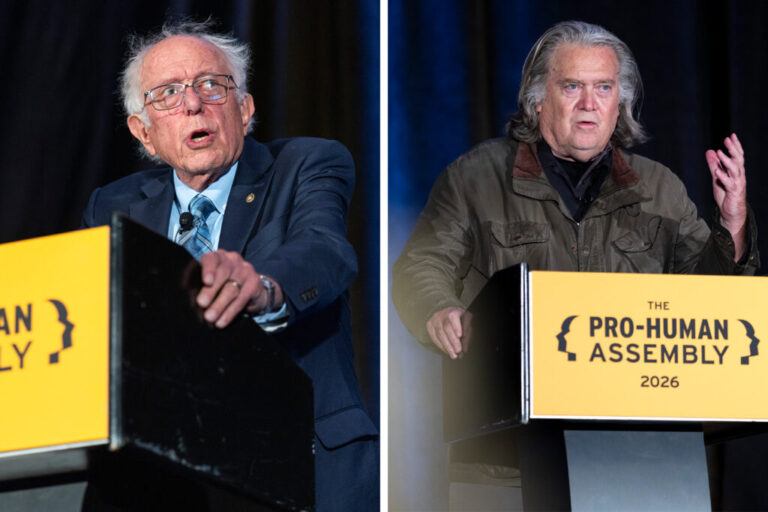
Bannon shared a stage this week with Sen. Bernie Sanders, I-Vt., and echoed some of Sanders’ concerns about AI, even as the two differed on what to do about it. Bannon has railed for years against tech leaders who have become Trump’s allies, and demanded a slowdown in AI development to give the government time to put regulations in place. Trump said this week that the only necessary “guardrail” is a “smart president,” which was how he described himself.
“This is one we’re going to have to disagree on,” Bannon told NPR’s Steve Inskeep.
Technology
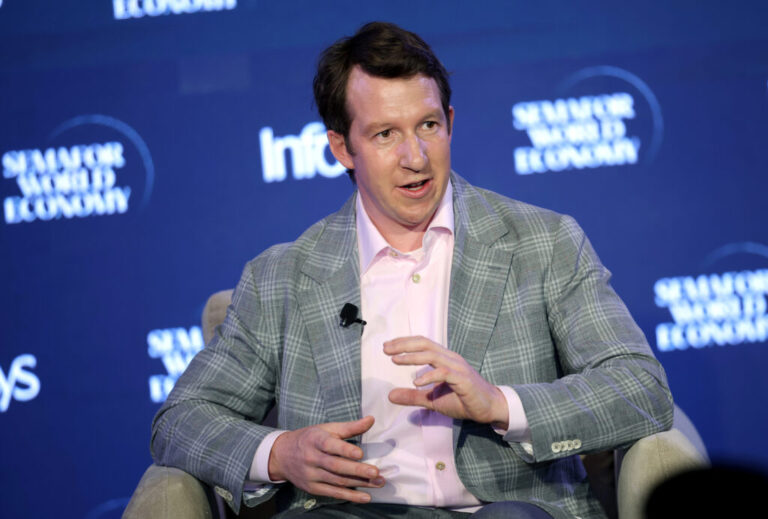
Anthropic co-founder says slowing AI is a ‘collective action problem’
In Washington, a once-abstract debate over AI oversight is turning into a much noisier fight as people building the technology sound urgent warnings. Jacob Coxon, a former Anthropic researcher, announced his resignation in early September and raised concerns about increasingly capable AI systems. Anthropic CEO Dario Amodei then called for slowing the development of more powerful models, a position backed by OpenAI CEO Sam Altman and xAI’s Elon Musk. Trump has rejected calls for a slowdown, warning that such a move could give China an advantage.
Bannon arrives at a different answer.
He wants regulation, but not a halt to American AI development. And he is deeply skeptical of the motives of technology companies now asking Washington for help, arguing that new rules could give the largest labs a competitive “moat” while allowing them to shift financial risk onto the public.
“This technology has some real upsides to it, but you have to be realistic,” Bannon said. He called for immediate executive action while Congress works on longer-term legislation, then saying the government needs time to build a more detailed regulatory system.
Read more Mice with human brain cells offer a tool to study disease. Ethicists ask: What’s next?
TED Radio Hour
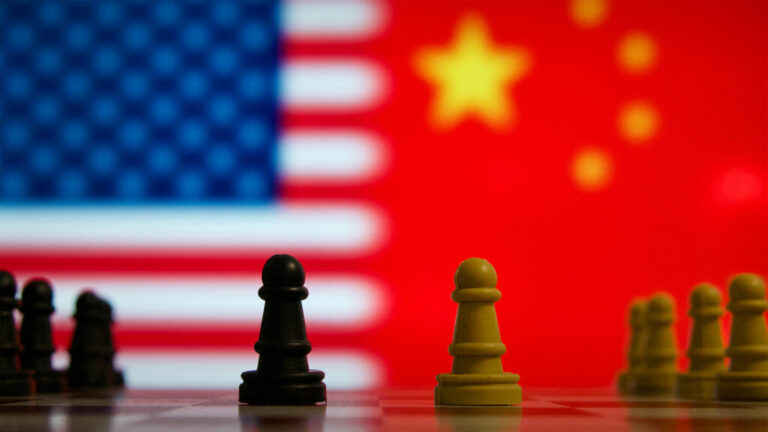
How China’s underdog status in the AI arms race is fueling their approach
His approach to China is more sweeping.
“I want to shut it down,” Bannon said.
Bannon said cutting China off from U.S. technology would give Washington time to build a regulatory system, potentially something like the Atomic Energy Commission.
“If you shut down the Chinese Communist Party and AI, which we can do because we give them everything, we can then take our time and set up a regulatory apparatus,” he added.
Technology
Circuit training: How China is teaching humanoid robots to do useful things
He also called for expelling Chinese nationals who are employed by American AI companies. This would not be a small change. A Carnegie Endowment for International Peace study found that 87 of 100 top Chinese AI researchers who were working at U.S. companies or universities in 2019 were still at U.S. institutions years later. Separate research found that U.S.-China AI collaboration has occurred more often than collaboration between any other two countries since 2018.
How Washington would untangle those ties is now part of the broader U.S.-China relationship. Trump is planning to host Chinese President Xi Jinping on Sept. 24, pending confirmation from Beijing.
Read more Russia seizes Ukrainian POWs, then it demands favors from their relatives