
wrote
News We’re Watching
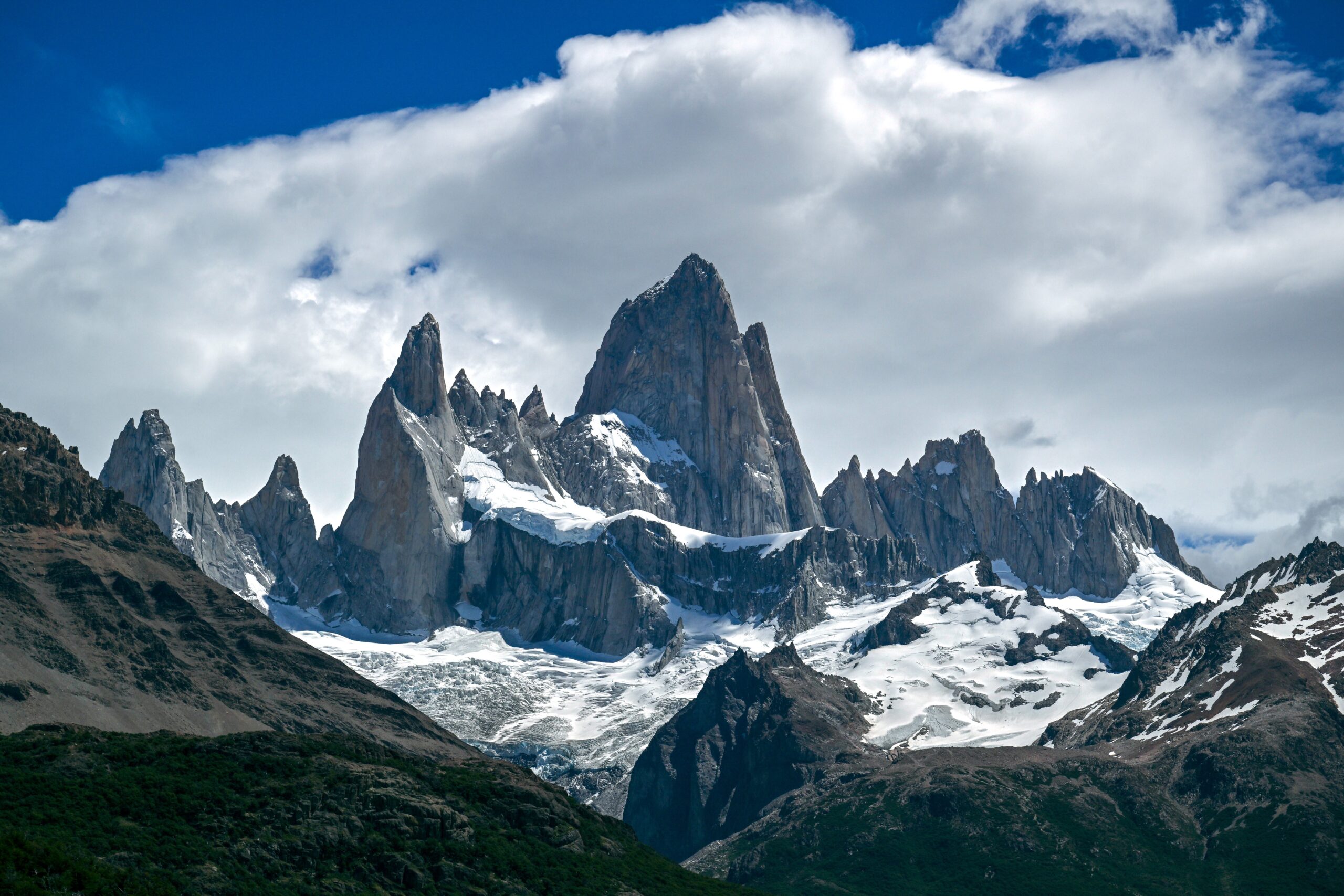
The American public is increasingly skeptical of data centers. In the first quarter of 2026, local opposition led to the disruption of at least 75 projects worth ~$130 billion according to Data Center Watch. Well, Argentine leadership wants that business BAD. President Javier Milei of Argentina was courting Big AI CEOs all the way back in 2024, and instituted a program offering tax breaks and a stable regulatory environment. Now, OpenAI has committed to a roughly 500-megawatt data center worth up to $25 billion that could land in Patagonia. Wider interest in the region is there. Poland’s Green Capital has already leased land in Chubut for wind and solar that could supply energy to data centers and the U.S.-based firm FlexDomes is looking for data center investors in Patagonia.
Read more Hong Kong court sentences 3 Tiananmen vigil organizers to prison
Patagonia is at the bottom of South America and it is cold. Plus, one of the pricier inputs for data centers? Cooling costs. But isn’t the region remote? The government plans to invest in more fiber-optic connectivity for the region … plus power companies are already there. For now it’s all in the planning phase. We will keep an eye on it as the world scrambles to find a home for their data centers.
Both Chinese exports and imports are roaring, widening the trade gap with the U.S. and the rest of the world. The WSJ focused on one key reason … AI. It’s simply been the saving grace for China, despite all the trade barriers the U.S. has lobbed east. The world just can’t get enough semiconductors and China has plenty to go around. Not to mention the rare earth elements also needed in tech.
The value of semiconductor exports went up 130% from last year, up from 117% in July. What’s interesting is that chip export volume went down by 7.9%. So, what’s up? China is simply the beneficiary of a global market with a tighter supply of conventional memory chips right now, used in phones and computers. Isn’t it nice when higher prices obscure lower sales?
Read more Trump administration allows TPS to continue for Salvadorans – for now
Today’s Indicator:
Canada’s tariffs are officially in place against many U.S. products in response to the Trump administration’s own tariffs. CBC’s Paul Haavardsrud walks us through what Canadians think about this prickly new phase of the trade war. Here’s a quick rundown:
- Paul tells us part of the issue here is the way American leadership is talking about Canada: like when President Trump called their country a 51st state, or signed an executive order renaming Lake Ontario to “Lake America.” Sooooo, all this has created a little more bipartisan support to “stand up to the bully,” for Prime Minister Mark Carney to take a hard stance, even if it is financially painful.
- Paul makes it clear that Canada knows ~$20 billion in tariffs won’t take down the U.S. economy. It’s trying to cut “narrow but deep” targeting industries in swing states like Ohio and Pennsylvania to put some pressure on the White House ahead of the midterms.
- A renegotiation of the USMCA (United States-Mexico-Canada Agreement) has already been pushed off into 2027. But Paul argues this tariff spat will set the tone for that much larger discussion. “If we roll over right now… then what starting position are we coming at when we sit down at the table for those negotiations?”
Then you heard Paul say Canada wants their tariffs to cut “narrow but deep.” A PRIME example of that… how the country is approaching tariffs on motorcycles, including Harley-Davidsons. Four to five percent of the company’s sales come from Canada and their bikes now face a 50% tariff there. And where does some of its production come from? Swing state Pennsylvania.
“” said Paul Haavardsrud.
Listen to the Full Episode
Which jobs are future-proofed?
The game fintech companies play to become banks
Small universities are in trouble?
Listener Mailbag
Don’t forget about Dunkin’! Weight Watchers switched to WW in 2018 and then BACK to Weight Watchers. The short answer is: a few different reasons! But mainly running from confusion or negative associations. In 2018, NPR (I mean, National Public Radio?!) did a whole segment on rebranding. One of the take-aways, brand names can be limiting! At a certain point, Dunkin’ Donuts stopped just selling donuts. Some people might just go there for coffee or avocado toast! And look at Angie’s List. It’s just… not a list anymore. In the case of KFF, I have a gift for you. KFF CEO Drew Altman wrote a whole blog post last year on the name change. “We did that because too many people still thought we had some connection to Kaiser Permanente (we have never had any), or that we were a foundation.” KFF is a public charity, which incidentally, funds some NPR work.
Read more These Michigan swing voters are bracing for higher prices from trade war with Canada
In Our Spare Time
Enjoying this newsletter?
Forward to a friend! They can sign up here.
Check out all of our newsletter offerings!